
Key Takeaways
- Eating seasonally in fall provides maximum nutritional benefits as produce harvested at peak ripeness contains higher levels of vitamins, minerals, and antioxidants
- Fall foods like pumpkins, sweet potatoes, and apples are rich in immune-boosting compounds that help prepare the body for cold and flu season
- Seasonal eating helps address common nutrient deficiencies that occur during colder months, particularly vitamin D and immune-supporting nutrients
- According to nutrition research from Wellness Today, consuming seasonal foods can increase antioxidant intake by up to 30% compared to out-of-season produce
- Creating a seasonal eating action plan with simple meal preparations can make it easier to incorporate these health-boosting foods into your daily routine
As temperatures drop and leaves begin to change, nature provides exactly what our bodies need most. Fall’s bounty isn’t just delicious—it’s strategically packed with nutrients that help us transition to colder weather and strengthen our immune systems when we need it most. The connection between seasonal eating and wellness isn’t just folk wisdom; it’s backed by science showing that produce harvested at peak ripeness offers maximum nutritional benefits.
Wellness Today researchers have found that consuming fruits and vegetables in season can increase your antioxidant intake by up to 30% compared to eating out-of-season produce. These powerful compounds help fight inflammation and support your body’s natural defense systems just as cold and flu season arrives. The timing couldn’t be better—nature provides exactly what we need exactly when we need it.
Health Benefits at a Glance
Fall foods are nutritional powerhouses offering specific benefits that align perfectly with autumn health challenges. They’re typically rich in immune-supporting nutrients like vitamin C, vitamin A, and zinc—critical components for respiratory health as we head into cold and flu season. Many fall vegetables and fruits also contain higher levels of fiber and complex carbohydrates, providing sustained energy as our bodies require more calories to maintain warmth.
The vibrant colors of autumn produce—deep oranges, rich reds, and dark greens—signal their high phytonutrient content. These plant compounds act as natural medicine, helping to reduce inflammation, support heart health, and even improve mood during seasons when daylight shortens. What’s more, these seasonal foods are naturally aligned with traditional warming cooking methods like roasting and simmering, which not only preserve nutrients but also support digestion during colder months. To learn more about the benefits of colorful foods, check out this guide on eating the rainbow.
By following nature’s seasonal rhythm, you’re not just enjoying better flavor—you’re aligning your diet with your body’s changing needs. Fall’s bounty provides the perfect nutritional transition from summer’s cooling foods to heartier fare that prepares us for winter.
Why Your Body Craves Fall Foods Right Now
Have you noticed how a warm bowl of butternut squash soup or a freshly baked apple crisp seems to satisfy something deep within as temperatures drop? This isn’t just comfort food psychology—it’s your body’s innate wisdom. Our nutritional needs shift with the seasons, and fall foods naturally provide the nutrients that become more crucial during colder months. As daylight hours decrease and temperatures drop, our bodies require more energy to maintain core temperature, more vitamin D to compensate for reduced sunlight exposure, and stronger immune support to fight seasonal pathogens. Discover how colorful foods can boost your health during this time.
Fall harvests are perfectly timed to address these needs. Root vegetables like sweet potatoes and carrots store energy in the form of complex carbohydrates that provide sustained fuel. Orange and red produce contains beta-carotene that converts to vitamin A, supporting immune function and skin health as drier weather arrives. Meanwhile, the higher fiber content in fall fruits and vegetables helps stabilize blood sugar and supports the digestive system as it adjusts to heartier meals. Eating a variety of colorful foods can enhance health, as explained in the article on eating the rainbow.
“The body’s cravings often align with seasonal availability for good reason. Fall foods like squash, apples, and root vegetables provide the perfect nutritional profile to support immune function, energy production, and metabolic health during the transition to colder weather.” — Dr. Maya Henderson, Nutritional Ecology Researcher
This natural synchronicity between what’s available and what your body needs isn’t coincidental—it’s the result of thousands of years of human evolution alongside seasonal food cycles. Before global food systems made everything available year-round, humans relied on seasonal eating patterns that optimized health through changing environmental conditions. By returning to these patterns, even partially, we tap into ancient wisdom that supports our modern wellness goals.
Powerful Immune-Boosting Fall Produce to Add to Your Plate
Fall’s cornucopia offers specific immune-strengthening benefits that are perfectly timed as cold and flu season approaches. The vibrant colors of autumn produce aren’t just visually appealing—they signal powerful phytonutrients and antioxidants that help your body fight inflammation and strengthen cellular defenses. Research has shown that people who increase their consumption of seasonal fall produce experience fewer respiratory infections and recover more quickly when they do get sick.
What makes these foods so powerful is their unique nutrient density. Many fall fruits and vegetables develop higher concentrations of vitamins and protective compounds as they grow through changing temperatures. This natural response to environmental stress creates foods that help our bodies adapt to similar seasonal changes. Let’s explore the superstars of fall’s nutritional lineup and how they can transform your health this season.
1. Pumpkins: More Than Just Halloween Decorations
That gorgeous orange pumpkin isn’t just for carving—it’s a nutritional powerhouse waiting to boost your immunity. Pumpkins contain some of the highest levels of beta-carotene found in any food, which converts to vitamin A in the body and plays a crucial role in maintaining the integrity of the respiratory tract lining—your first defense against airborne pathogens. A single cup of cooked pumpkin provides over 200% of your daily vitamin A needs.
Beyond beta-carotene, pumpkins deliver impressive amounts of vitamin C, vitamin E, and iron. They’re also rich in lutein and zeaxanthin, two antioxidants that support eye health during months when we typically spend more time using artificial light. The seeds are equally valuable, offering magnesium, zinc, and plant-based omega-3 fatty acids that support both immune function and mood regulation as daylight hours decrease.
2. Sweet Potatoes: Nature’s Energy Powerhouse
Sweet potatoes emerge as nutritional champions during fall, offering a perfect balance of energy-sustaining complex carbohydrates and immune-supporting nutrients. Like pumpkins, they’re extraordinarily rich in beta-carotene, but they also provide significant amounts of vitamin C, potassium, and B vitamins that support energy production and stress management. This combination makes them particularly valuable as days get shorter and our bodies need more support maintaining energy levels.
What sets sweet potatoes apart is their impressive fiber content, particularly when eaten with the skin on. This fiber acts as prebiotics that feed beneficial gut bacteria, strengthening the gut microbiome that houses nearly 70% of your immune system. The slow-digesting carbohydrates also help stabilize blood sugar, preventing the energy crashes that can affect mood and immune function during colder months.
3. Apples: The Original Daily Medicine
“An apple a day” holds more truth than we often recognize. Fall-harvested apples contain higher concentrations of immune-supporting quercetin than those harvested at other times. This powerful flavonoid has been shown to help reduce inflammation and support respiratory health. The pectin fiber in apples also acts as a prebiotic, feeding beneficial gut bacteria that strengthen immune response and help protect against seasonal illness.
Different apple varieties offer varying nutrient profiles—red apples typically contain more anthocyanins, while green varieties often provide more vitamin C. Eating them with the skin on maximizes your nutrient intake, as many of the most valuable compounds concentrate in or just under the peel. For the greatest benefits, seek out local, in-season apples that haven’t been stored long-term, as certain nutrients begin to diminish during extended storage.
4. Brussels Sprouts: Tiny Nutritional Powerhouses
These compact cruciferous vegetables might be small, but they pack a remarkable nutritional punch that becomes especially valuable during fall and winter months. Brussels sprouts contain some of the highest concentrations of vitamin C found in any vegetable—just one cup provides more than 100% of your daily needs. This immune-essential vitamin becomes increasingly important as daylight hours decrease and seasonal illnesses circulate.
What makes Brussels sprouts truly special is their exceptional sulfur-containing compounds, particularly glucosinolates. These compounds support the body’s natural detoxification systems and have been linked to reduced inflammation and even cancer prevention. They also contain special fiber compounds that specifically support the growth of Akkermansia muciniphila, a beneficial gut bacterium associated with stronger immune function and metabolic health.
5. Cranberries: Tart Berries with Impressive Benefits
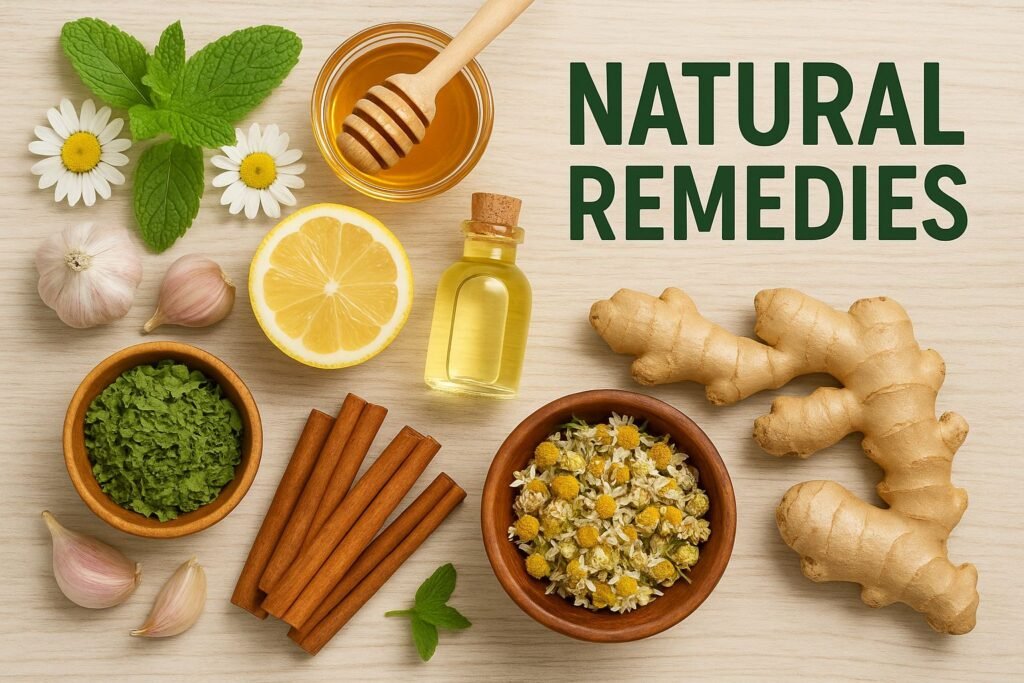
Fall-harvested cranberries offer unique protection during cold and flu season thanks to their proanthocyanidins (PACs)—special compounds that prevent pathogens from adhering to cell walls in the urinary tract, mouth, and digestive system. This anti-adhesion property makes cranberries valuable allies against common infections that circulate during colder months. Their natural antibacterial properties also support oral health, reducing the risk of infections that can enter through the mouth. Learn more about natural immune system-boosting remedies to stay healthy this season.
Beyond infection prevention, cranberries contain impressive amounts of vitamin C, manganese, and vitamin E that support overall immune function. Their deep red color signals their rich anthocyanin content, which helps reduce inflammation throughout the body. While their tartness makes them challenging to eat raw, incorporating unsweetened cranberry products or lightly sweetened preparations with natural sweeteners can provide these benefits without excess sugar that can suppress immune function. For more on boosting your body’s defenses, explore these natural immune system boosting remedies.
Nutrient Deficiencies Common in Colder Months
As summer fades into fall, our bodies face unique nutritional challenges. Seasonal changes affect not just our environment but our internal biochemistry as well. The transition to colder, darker days creates specific nutrient gaps that can impact everything from immune function to mood regulation. Understanding these common deficiencies helps explain why fall foods are so perfectly designed to support our health during this transition.
Vitamin D Levels Drop as Sunlight Decreases
The “sunshine vitamin” becomes increasingly scarce as days shorten and we spend more time indoors. Studies show that vitamin D levels begin declining as early as September in northern regions, with deficiencies becoming common by November. This essential vitamin plays crucial roles in immune function, mood regulation, and calcium absorption – all particularly important during fall and winter months. While few foods naturally contain high levels of vitamin D, fall foods like mushrooms (especially those exposed to UV light), fatty fish, and egg yolks can help supplement what we’re no longer getting from sun exposure.
The relationship between vitamin D and immune function becomes especially relevant as cold and flu season approaches. Research published in the Journal of Nutritional Biochemistry found that adequate vitamin D levels can reduce respiratory infection risk by up to 42% – a compelling reason to prioritize this nutrient as temperatures drop. Combining vitamin D-containing foods with brief periods of midday sun exposure (even on cloudy days) provides the most effective strategy for maintaining healthy levels through the season.
Immune-Supporting Nutrients You Need More Of
Beyond vitamin D, several other nutrients become critically important during fall months. Zinc levels often decline as we transition seasons, yet this mineral plays essential roles in over 300 enzyme reactions related to immune function. Fall foods like pumpkin seeds, grass-fed beef, and oysters provide substantial amounts of this immunity mineral. Similarly, vitamin C requirements increase during colder months as our bodies work harder to maintain resilience against circulating pathogens. Fall-harvested cruciferous vegetables, rose hips, and late-season peppers offer concentrated sources.
Antioxidant needs also increase during seasonal transitions. Environmental stressors like temperature fluctuations, indoor heating, and higher exposure to pathogens create more oxidative stress in the body. The vibrant pigments in fall foods – from the deep orange of pumpkins to the rich purple of grapes – signal their high antioxidant content, providing exactly what our bodies need to combat this increased oxidative burden and support cellular repair mechanisms. Discover more about the benefits of eating the rainbow for better health.
How Fall Foods Help You Fight Seasonal Health Challenges
Fall’s harvest offers specialized nutritional support for the unique health challenges we face during colder months. From respiratory health to digestive resilience and mood regulation, seasonal produce provides targeted benefits that address our most common autumn wellness concerns. The synergistic combinations of nutrients in these foods often work more effectively than isolated supplements, creating a foundation for whole-body resilience.
Cold and Flu Defense Mechanisms
Fall foods contain specific compounds that strengthen respiratory defenses as cold and flu viruses become more prevalent. The high vitamin C content in Brussels sprouts, broccoli, and fall citrus helps maintain the integrity of mucous membranes – your first line of defense against airborne pathogens. Meanwhile, allicin-containing foods like garlic and onions (harvested in fall) provide natural antimicrobial properties that have been shown to reduce the severity and duration of upper respiratory infections. For more on boosting your immune system naturally, check out these natural immune system boosting remedies.
Mushrooms deserve special mention for their immune-modulating properties. Fall varieties like shiitake, maitake, and oyster mushrooms contain beta-glucans that help activate immune cells called macrophages and natural killer cells – your body’s pathogen-fighting specialists. Regular consumption of these fungi has been linked to reduced incidence of seasonal infections and faster recovery when illness does occur. Their adaptogenic properties also help the body manage the stress that often accompanies seasonal transitions.
Digestion Support for Heavier Fall Meals
As our diets naturally shift toward heartier, warming foods in fall, our digestive systems need additional support. Seasonal produce offers precisely the right elements to aid this transition. Fall’s abundance of fiber-rich foods like apples, pears, and winter squash helps maintain healthy digestion and prevents the constipation that sometimes accompanies dietary changes. The soluble fiber in these foods also feeds beneficial gut bacteria, strengthening the gut-immune connection when we need it most.
Fall spices complement these digestive benefits beautifully. Cinnamon, which pairs perfectly with autumn fruits, helps regulate blood sugar responses to heartier meals. Ginger, often featured in fall cooking, stimulates digestive enzymes and reduces inflammation throughout the digestive tract. These warming spices not only enhance flavor but also improve nutrient absorption and reduce digestive discomfort during seasonal dietary transitions – another example of nature’s perfect timing.
Mood Regulation as Daylight Shortens
The reduction in daylight hours affects serotonin production, potentially impacting mood and energy levels. Certain fall foods contain natural compounds that help counteract these effects. Complex carbohydrates in sweet potatoes, pumpkins, and whole grains help maintain steady serotonin levels, while foods rich in B vitamins support energy production during months when fatigue becomes more common. The omega-3 fatty acids in walnuts (harvested in fall) have been linked to improved mood regulation and reduced symptoms of seasonal affective disorder.
Interestingly, many fall vegetables contain higher levels of magnesium – a mineral crucial for nervous system function and stress management. Leafy greens like kale and Swiss chard, which become sweeter after frost, provide substantial amounts of this “relaxation mineral.” Regular consumption of these foods can help mitigate the stress response and improve sleep quality during months when natural light cues for circadian rhythm become less available.
Easy Ways to Incorporate Seasonal Foods Daily
Embracing fall’s nutritional bounty doesn’t require elaborate cooking skills or hours in the kitchen. Simple, practical approaches make seasonal eating both accessible and enjoyable. The key is creating easy routines that naturally incorporate these health-boosting foods into your existing meal patterns. With minimal planning, you can transform ordinary meals into nutritional powerhouses that support your wellness all season long.
Quick Breakfast Options
Morning meals offer perfect opportunities to incorporate fall’s nutritional stars. Overnight oats topped with diced apples, cinnamon, and walnuts provide a fiber-rich start that stabilizes blood sugar and supports gut health throughout the day. For a warming option, try sweet potato breakfast bowls – simply roast sweet potatoes ahead of time, then reheat with a dollop of Greek yogurt, a drizzle of maple syrup, and pumpkin seeds for a nutritional powerhouse that takes just minutes to prepare.
Don’t overlook the potential of fall smoothies. Roasted pumpkin or butternut squash can be frozen in ice cube trays and added to morning blends with warming spices, a handful of spinach, and your preferred protein source. The natural sweetness of fall produce often eliminates the need for added sweeteners, while providing beta-carotene, vitamin C, and fiber that support immune function as you start your day.
Simple Lunch and Dinner Recipes
One-pan roasted vegetable meals showcase fall produce with minimal effort. Simply toss chopped Brussels sprouts, sweet potatoes, apples, and red onion with olive oil, salt, and thyme, then roast until caramelized. This versatile base can be served alongside a protein source or tossed with quinoa and a maple-mustard dressing for a complete meal. The leftovers adapt beautifully to next-day lunch needs, either reheated or served cold as a nutrient-dense salad.
Soup represents fall nutrition at its finest, offering simple preparation with maximum benefits. A basic formula of sautéed onions, seasonal vegetables, broth, and herbs creates endless variations that improve with time. Prepare larger batches on weekends and enjoy throughout the week – the flavors deepen while the nutritional profile remains intact. Additions like white beans, lentils, or barley transform these soups into complete meals that support immunity and provide sustained energy.
Healthy Snacks and Treats
Fall produce transitions beautifully into satisfying snacks that support stable energy and mood. Baked apple chips sprinkled with cinnamon require minimal preparation but offer concentrated nutrients and fiber. Roasted pumpkin seeds provide magnesium, zinc, and healthy fats in a portable package perfect for midday energy dips. Even simple carrot sticks become more appealing when paired with a fall-inspired dip like pumpkin hummus, which adds beta-carotene and protein to this classic vegetable.
For sweet cravings, consider nature’s perfect package – seasonal fruit. Fall pears with a small piece of sharp cheddar create a satisfying combination of sweet, tart, and savory elements while providing calcium and fiber. Poached apples with cinnamon make a warm, comforting dessert that supports digestive health without refined sugars. These simple preparations honor the natural sweetness of fall produce while providing nutritional benefits that processed treats cannot match.
Meal Prep Tips for Busy Weeks
Sunday batch cooking creates a foundation for seasonal eating success throughout busy weeks. Roast a large pan of fall root vegetables like beets, carrots, and parsnips to incorporate into various meals – as side dishes, salad toppers, or blended into quick soups. Prepare a pot of hearty grain like farro or barley that can transform into multiple meals with different seasonal additions throughout the week. Having these components ready significantly reduces the barrier to incorporating seasonal foods daily.
Strategic freezing extends your ability to enjoy fall’s benefits. Pureed pumpkin or butternut squash freezes beautifully in muffin tins or ice cube trays, creating pre-portioned amounts that can be added to smoothies, soups, or pasta sauces for instant nutrition boosts. Blanched dark leafy greens can be frozen flat in zip-top bags, then crumbled into soups or sauces throughout the week. These simple preparations ensure that even the busiest days include fall’s nutritional support. For more inspiration, explore these tips on eating the rainbow to enhance your diet.
Preserving Fall’s Bounty for Year-Round Benefits
The abundant harvest of autumn offers nutritional treasures that can extend well beyond the season itself. Learning simple preservation techniques allows you to capture these nutrients at their peak and access them throughout the year. This traditional practice not only maximizes your food budget but also ensures you maintain connections to seasonal wellness even in the depths of winter. With minimal equipment and some basic knowledge, you can create a personal pharmacy of fall’s nutritional medicine.
Freezing Methods That Maintain Nutrients
Freezing stands as one of the most effective ways to preserve the nutritional integrity of fall produce. Contrary to common perception, properly frozen fruits and vegetables can retain more nutrients than fresh ones that have been transported long distances or stored improperly. The key lies in proper preparation – blanching vegetables briefly before freezing halts the enzyme activity that would otherwise degrade nutrients over time. For most fall vegetables, a quick 2-3 minute plunge in boiling water followed by immediate cooling stops this process while maintaining texture and nutritional value.
For maximum nutrient retention, consider freezing produce in usable portions rather than large containers. Flash-freezing berries or diced squash on baking sheets before transferring to storage containers prevents clumping and allows you to take only what you need. This approach minimizes repeated thawing and refreezing, which can degrade both nutrients and texture. Vacuum-sealing provides additional protection against oxidation, preserving delicate nutrients like vitamin C and antioxidants that might otherwise degrade with air exposure.
Simple Canning for Beginners
While canning might seem intimidating, water bath canning offers an accessible entry point for preserving fall’s acidic fruits. Applesauce, cranberry preserves, and pickled vegetables allow you to capture seasonal nutrition in shelf-stable forms that require no refrigeration. The heat processing does affect some heat-sensitive nutrients like vitamin C, but many minerals, fiber compounds, and certain antioxidants remain well-preserved. Additionally, some beneficial compounds like lycopene actually become more bioavailable through the heating process, creating unique nutritional advantages.
Your Seasonal Eating Action Plan
Creating a sustainable approach to seasonal eating requires a practical framework that fits your lifestyle. Start by identifying three fall foods you genuinely enjoy and commit to incorporating them weekly. This might mean adding roasted sweet potatoes to Sunday meal prep, keeping apples on hand for daily snacks, or including pumpkin seeds in your breakfast routine. These simple commitments establish patterns that naturally expand as you experience the benefits of seasonal eating.
Consider creating a seasonal food calendar that highlights when local produce reaches peak flavor and nutrition. This visual reminder helps you anticipate and plan for seasonal transitions, making it easier to adjust shopping and meal planning accordingly. Many local farms and agricultural extensions offer harvest calendars specific to your region, removing the guesswork from seasonal planning. Pairing this knowledge with basic preparation techniques ensures you maximize both the nutritional and culinary potential of fall’s offering.
Frequently Asked Questions
As more people recognize the benefits of seasonal eating, common questions arise about implementation and impact. Understanding these practical aspects helps overcome barriers to incorporating fall’s nutritional wisdom into modern lifestyles. The answers below reflect both traditional knowledge and current nutritional science, providing evidence-based guidance for seasonal wellness.
While individual needs vary, these responses address the most common concerns people encounter when transitioning to more seasonally-aligned eating patterns. They offer practical solutions that honor both personal preference and nutritional science.
How often should I eat seasonal foods to see health benefits?
Consistent exposure provides the most significant benefits, with research suggesting that including seasonal foods in at least one meal daily creates measurable improvements in antioxidant status and immune markers. This doesn’t require complete dietary overhauls – simply incorporating a serving of seasonal produce at each meal or ensuring that one meal daily features seasonal foods creates sufficient exposure to their unique nutritional properties. The cumulative effect of these regular inclusions often becomes noticeable within 2-3 weeks, particularly in energy levels, digestive comfort, and resilience against seasonal illnesses.
Quality often matters more than quantity. A moderate amount of truly fresh, in-season produce typically provides greater nutritional benefit than larger amounts of out-of-season options that have traveled long distances or been stored extensively. This means that even small, consistent inclusions of local seasonal foods can create meaningful health impacts, especially when they replace less nutritious alternatives in your existing diet.
Can children get the same benefits from seasonal eating?
Children often respond even more dramatically to seasonal eating patterns than adults, showing improved attention, steadier energy levels, and stronger immune function when seasonal foods become regular parts of their diets. Their developing systems are particularly responsive to the micronutrient density of fresh, seasonal produce. Introducing seasonal foods through positive, pressure-free experiences—like apple picking, pumpkin carving with roasted seeds, or garden harvesting—creates associations that foster lifelong healthy eating patterns while providing immediate nutritional benefits.
Are frozen fall vegetables as nutritious as fresh ones?
- Frozen vegetables are often harvested at peak ripeness and flash-frozen within hours, preserving nutrients that might degrade during transportation and storage of “fresh” alternatives
- Studies show that frozen produce can contain equal or higher levels of vitamins C and E, and beta-carotene compared to fresh produce that’s been stored for several days
- The freezing process does alter texture due to cell wall disruption, but this can actually increase the bioavailability of certain nutrients
- For vegetables like broccoli and Brussels sprouts, blanching before freezing reduces enzyme activity that would otherwise degrade nutrients over time
The nutritional value of frozen vegetables depends significantly on processing methods and storage time. Vegetables frozen at their seasonal peak often retain more nutrients than “fresh” options transported long distances or stored for extended periods. This makes quality frozen produce a valuable option for accessing fall’s nutritional benefits throughout the year, especially when fresh seasonal options aren’t available.
For maximum nutritional benefit, look for frozen vegetables without added sauces or seasonings, which might introduce excess sodium or preservatives. When properly stored in the freezer (at 0°F/-18°C or below), most frozen vegetables maintain their nutritional quality for 8-12 months, though flavor and texture may begin to degrade sooner. Using cooking methods that minimize additional nutrient loss—like steaming, quick stir-frying, or adding frozen vegetables directly to soups—preserves the nutritional advantages of this convenient option.
One significant advantage of frozen fall vegetables is their contribution to reduced food waste. Having these options on hand extends your ability to incorporate seasonal nutrition even when shopping trips are delayed or fresh produce wilts before use. This practical aspect supports both personal nutrition goals and broader environmental considerations, making frozen fall vegetables a worthy addition to a seasonally-focused kitchen.
For certain fall vegetables like leafy greens, freezing after blanching creates convenient additions to smoothies, soups, and sauces year-round. The nutrition is well-preserved while the preparation barrier is significantly reduced, increasing the likelihood of regular consumption. This makes strategic freezing an effective tool for extending seasonal benefits well beyond autumn months.
What’s the best way to store fall produce to maintain nutrients?
Different fall vegetables require specific storage conditions to maintain nutritional value. Root vegetables like sweet potatoes and beets keep best in cool, dark locations (around 55°F/13°C) with moderate humidity, where they can last for weeks or even months without significant nutrient loss. Apples release ethylene gas that accelerates ripening in other produce, so store them separately from vegetables to prevent premature degradation. Most fall greens maintain optimal nutrition when stored in the refrigerator crisper with high humidity, ideally wrapped loosely in slightly damp paper towels to prevent both dehydration and excess moisture that could lead to spoilage.
Can seasonal eating help with weight management during the holidays?
Seasonal fall foods provide natural support for weight management during the challenging holiday period. Their high fiber content promotes satiety, helping regulate appetite even when surrounded by calorie-dense holiday options. The complex carbohydrates in squash, sweet potatoes, and apples provide steady energy without the insulin spikes and subsequent crashes that can trigger cravings and overeating. Research published in the Journal of Nutrition found that increasing consumption of seasonal vegetables before holiday meals significantly reduced overall caloric intake while improving nutritional quality.
The natural sweetness of fall produce also helps reset taste preferences that might be skewed by highly processed foods. Regular consumption of roasted sweet potatoes, baked apples, or winter squash provides satisfaction for sweet cravings without the empty calories of refined sugar. This recalibration of taste preferences makes it easier to enjoy holiday treats in moderation rather than excess. Additionally, the polyphenols in many fall foods support metabolic function, potentially enhancing the body’s ability to process occasional indulgences more efficiently.
Perhaps most importantly, centering seasonal foods in your holiday approach connects celebrations to natural rhythms and traditional food wisdom. This mindful connection often translates to more intentional eating patterns, where quality and experience take precedence over quantity. By highlighting dishes featuring seasonal produce—like roasted Brussels sprouts with cranberries or pumpkin-based desserts with minimal added sugar—you create a holiday eating pattern that honors both tradition and wellness, making weight management a natural outcome rather than a constant struggle.
As the seasons change, incorporating seasonal foods into your diet can significantly boost your health. Autumn brings a variety of nutrient-rich produce like pumpkins, apples, and sweet potatoes, all of which are packed with essential vitamins and minerals. These foods not only enhance your immune system but also add a delicious variety to your meals. For those looking to improve their overall well-being, consider exploring natural immune system boosting remedies that complement a diet rich in seasonal fruits and vegetables.