
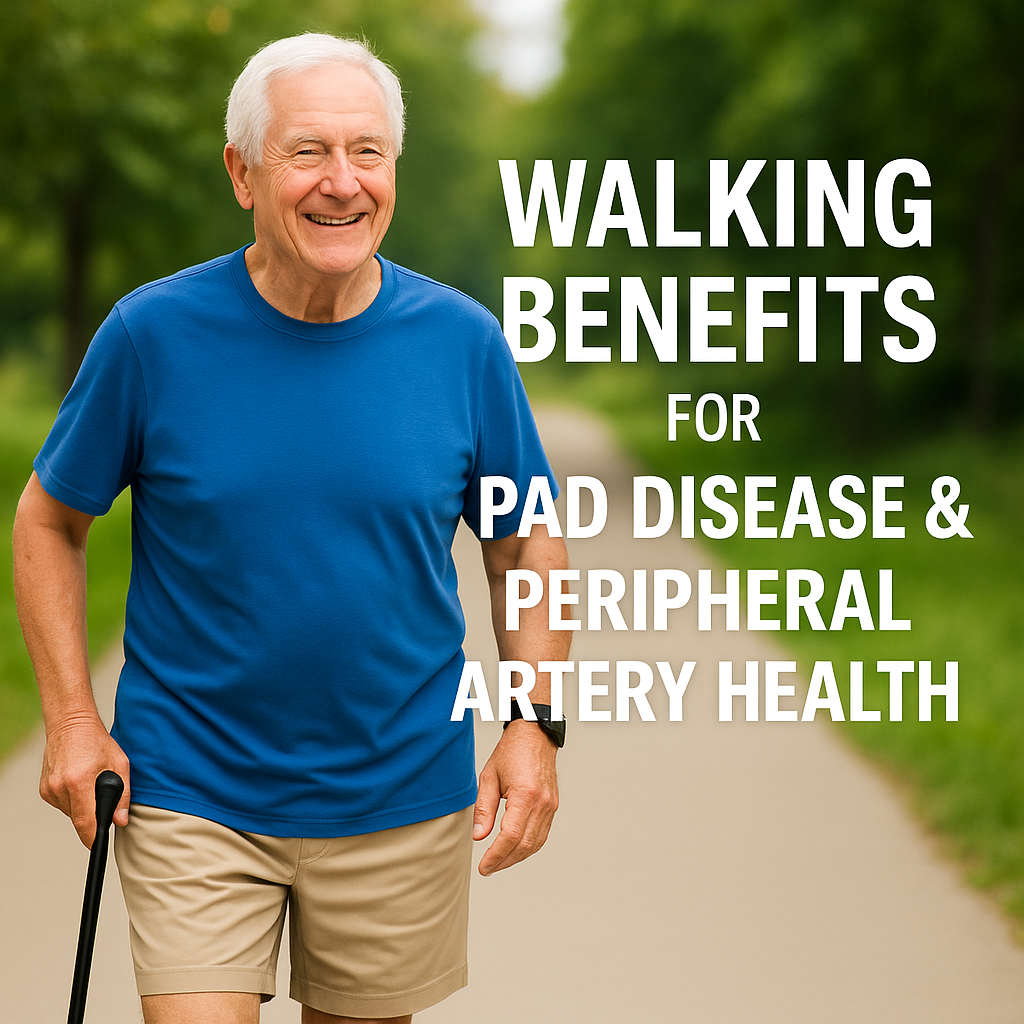
Key Takeaways
- Regular walking improves circulation and reduces leg pain in PAD patients by forcing the body to develop new blood vessel pathways
- High-intensity walking programs that cause mild discomfort have been shown to be more effective than low-intensity exercises for improving PAD symptoms
- Patients who walk regularly can increase their pain-free walking distance by up to 200% within 6 months
- Walking strengthens leg muscles, making them more efficient at using oxygen despite restricted blood flow
- Concept Medical’s latest research highlights how consistent walking can reduce the need for surgical interventions in early-stage PAD patients
How Walking Improves Circulation in PAD Patients
Walking is perhaps the most powerful non-invasive therapy for Peripheral Artery Disease. When arteries narrow due to plaque buildup, the restricted blood flow causes painful cramping known as claudication. Yet counterintuitively, regular walking forces your body to adapt to this challenge rather than succumb to it.
By engaging in consistent walking despite initial discomfort, your circulatory system begins a remarkable adaptation process that can dramatically improve your quality of life. The body responds to the increased demand for oxygen by enhancing existing blood vessels and developing new pathways for circulation. This natural vascular remodeling occurs gradually but delivers lasting benefits that medication alone cannot provide.
The Science Behind Blood Flow Enhancement
When you walk with PAD, your muscles demand more oxygen than your narrowed arteries can immediately deliver. This temporary oxygen deficit triggers a cascade of biological responses aimed at improving circulation. Your body releases nitric oxide, which helps dilate blood vessels, while also producing growth factors that signal for vascular repairs and enhancements. Recent research published in JAMA demonstrates that high-intensity walking programs that cause mild discomfort actually improve walking performance more significantly than comfortable, low-intensity walking. This controlled stress on the vascular system stimulates more robust adaptations, much like how resistance training builds stronger muscles.
Collateral Vessel Development Through Regular Walking
One of the most remarkable benefits of walking for PAD patients is the development of collateral circulation. When main arteries become blocked or narrowed, consistent walking encourages your body to create or enlarge smaller blood vessels that bypass the obstructions. These alternative pathways—called collateral vessels—form a natural bypass system around blocked arteries. A 2021 study found that PAD patients who walked regularly for six months showed a significant increase in collateral vessel formation compared to non-walkers. This process doesn’t happen overnight, but with persistence, your body builds its own vascular detours that can substantially improve blood flow to oxygen-starved tissues.
Why Movement Matters Even When It Hurts
The pain associated with PAD often creates a troubling cycle: walking hurts, so patients walk less, which leads to muscle weakness and even worse circulation. Breaking this cycle requires understanding that some discomfort during walking is actually productive for recovery. Vascular specialists at Penn Medicine emphasize that pushing through mild to moderate claudication pain helps condition your muscles and stimulate vascular growth.
When you walk to the point of moderate discomfort, then rest briefly until the pain subsides before continuing, you’re essentially interval training your vascular system. This approach—walking, brief rest, then more walking—maximizes the circulatory benefits while keeping the overall experience manageable. Remember that sharp, severe, or persistent pain should still be reported to your healthcare provider, but the mild burning sensation of claudication typically indicates that beneficial adaptations are being triggered. For more tips on staying active, explore these healthy aging tips.
5 Major Benefits of Walking for Peripheral Artery Disease
Incorporating a consistent walking routine delivers multiple interconnected benefits that collectively improve quality of life for PAD patients. From pain reduction to cardiovascular protection, the advantages extend far beyond simply increasing mobility. Let’s explore the five most significant ways walking transforms health outcomes for people with peripheral artery disease.
1. Reduced Leg Pain and Claudication
The hallmark symptom of PAD—cramping, aching, or burning in the legs during activity—can be substantially diminished through regular walking. This may seem counterintuitive since walking initially triggers this pain. However, a landmark study published in JAMA found that participants who persisted with a structured walking program experienced a 50% reduction in claudication pain severity after just 12 weeks.
2. Increased Walking Distance Without Pain
Perhaps the most quantifiable benefit of regular walking for PAD patients is the dramatic increase in pain-free walking distance. A supervised exercise program can help patients walk 2-3 times farther before experiencing claudication. This improvement typically begins within the first four weeks and continues to build over time. For someone who initially struggles to walk half a block, this can mean regaining the ability to shop independently or participate in family activities without constant stops.
The gains in walking capacity come from both improved circulation and enhanced muscular efficiency. Your muscles learn to extract and utilize oxygen more effectively despite the restricted blood flow, allowing you to cover more ground before discomfort sets in. This adaptation happens gradually but consistently when you follow a structured walking program. For more information on how walking can benefit those with peripheral artery disease, check out this step-by-step guide.
3. Lower Blood Pressure and Improved Vascular Health
Walking regularly helps reduce systolic and diastolic blood pressure by strengthening the heart and reducing peripheral resistance in blood vessels. For PAD patients, this blood pressure reduction is particularly valuable since hypertension accelerates arterial damage and plaque formation. Clinical trials show that PAD patients who walk 30 minutes daily typically see blood pressure reductions of 5-8 mmHg within three months.
Beyond blood pressure benefits, walking improves overall vascular health by enhancing endothelial function—the ability of blood vessels to dilate and contract appropriately. Better endothelial function means more responsive blood vessels that can deliver oxygen more efficiently throughout the body. This improvement happens not just in the legs but throughout your entire circulatory system, offering protection against heart attack and stroke.
4. Stronger Leg Muscles and Better Oxygen Efficiency
Regular walking strengthens the calf, thigh, and hip muscles that are crucial for mobility but often become weakened in PAD patients. These stronger muscles require less blood flow to perform the same activities, making daily movements less painful and more efficient. Research shows that after six months of consistent walking, leg muscles can increase their oxygen extraction capabilities by up to 20%, even without improvements in blood flow.
This adaptation is particularly important because it allows PAD patients to function better even if their arterial blockages remain unchanged. Your muscles essentially learn to “do more with less,” extracting and utilizing oxygen more completely from whatever blood does reach them. The result is greater stamina, reduced fatigue, and improved overall functioning in daily activities.
5. Decreased Risk of Heart Attack and Stroke
PAD doesn’t exist in isolation—it’s a marker of systemic atherosclerosis affecting arteries throughout the body. When you walk to improve leg circulation, you’re simultaneously benefiting your coronary and cerebral arteries. Studies show that PAD patients who participate in regular walking programs reduce their risk of cardiovascular events by approximately 30% compared to sedentary counterparts.
This protective effect stems from multiple mechanisms: improved cholesterol profiles, better blood pressure control, enhanced blood vessel function, and reduced systemic inflammation. Walking essentially addresses many of the underlying processes that drive atherosclerosis progression, helping to stabilize plaque throughout the arterial system—not just in the legs.
The Perfect Walking Program for PAD Patients
Creating an effective walking routine requires balancing challenge with sustainability. While pushing beyond your comfort zone is necessary for improvement, a program that’s too aggressive can lead to discouragement and abandonment. The ideal approach gradually increases intensity while providing sufficient recovery to prevent injury and maintain motivation.
Start Small: The First Two Weeks
Begin with short, manageable walks of 5-10 minutes, three times daily. This frequency is more important than duration initially, as it begins the process of vascular adaptation without overwhelming your system. Choose flat, smooth surfaces like indoor malls or tracks where you can easily stop and rest when needed. Wear comfortable, supportive footwear and loose-fitting clothing that won’t restrict circulation further. Remember that consistency trumps intensity in these early stages—your primary goal is establishing the walking habit while minimizing pain and frustration.
The “Walk Until Pain” Method That Works
The most effective approach for PAD patients is known as pain-threshold walking. This method involves walking until you feel moderate discomfort (3-4 on a scale of 10), then resting until the pain subsides, before continuing again. Research published in JAMA found this approach increases walking capacity more effectively than constant pain-free walking. By pushing to the edge of discomfort repeatedly, you stimulate maximum vascular adaptation without risking injury or excessive pain.
Aim for a total walking time of 30-50 minutes per session, broken into smaller segments as needed. As your capacity improves, you’ll naturally complete fewer rest intervals to achieve your target duration. This progression—longer walking periods with fewer rest breaks—provides tangible evidence of your circulatory improvement and serves as powerful motivation to continue.
When to Rest and When to Push Through
Learning to distinguish between beneficial discomfort and harmful pain is crucial for PAD walking success. The productive discomfort of claudication typically manifests as a cramping, aching, or burning sensation that builds gradually as you walk. This sensation indicates your muscles need more oxygen than your narrowed arteries can currently provide—exactly the stimulus needed for vascular adaptation. Rest when this discomfort reaches a moderate level (4 out of 10), then resume walking when it subsides to a 1 or 2.
However, sharp, stabbing, or sudden pains, especially when accompanied by numbness or tingling, require immediate rest and potentially medical attention. Similarly, pain that persists long after walking stops isn’t beneficial and may indicate excessive exertion. The goal is controlled, temporary discomfort that resolves with brief rest—not persistent pain that interferes with daily activities or sleep.
Tracking Your Progress: What to Measure
Monitoring specific metrics provides motivation and helps optimize your walking program. Record your initial pain-free walking distance as a baseline, then track improvements weekly. Note both the distance covered before pain begins and your total walking distance including rest periods. Many PAD patients find that using a pedometer or smartphone app helps quantify progress objectively. Additionally, track your “recovery time”—how long it takes for pain to subside during rest breaks—as this often decreases as circulation improves.
Beyond distance measurements, consider tracking your perceived exertion level during walks. Using a simple 1-10 scale, note how difficult a standard walking route feels over time. As your circulation improves, familiar routes should feel progressively easier at the same walking speed. This subjective improvement often precedes measurable distance gains and provides early encouragement to continue your walking program.
Managing Pain During Your PAD Walking Routine
While some discomfort during walking is productive for PAD improvement, excessive pain can derail your program and reduce adherence. Implementing strategic pain management techniques helps you maintain consistency while maximizing the circulatory benefits of your walking routine. The goal isn’t to eliminate all discomfort but rather to make it manageable enough to sustain regular exercise.
The Difference Between Good Pain and Bad Pain
“Good” claudication pain typically feels like a dull ache, cramping, or heaviness that builds gradually in the calf, thigh, or buttock muscles. This discomfort signals that muscles are demanding more oxygen than restricted arteries can deliver—creating the stimulus for vascular growth and adaptation. This beneficial discomfort resolves quickly with rest and doesn’t persist after your walking session ends. For more on how regular walking can improve your health, check out the benefits of a 30-minute daily walk.
In contrast, “bad” pain includes sharp, shooting sensations, persistent burning that doesn’t ease with rest, or any discomfort accompanied by numbness, color changes, or unusual coolness in the extremities. These symptoms may indicate complications requiring medical attention rather than the expected claudication of PAD. Always report new or different pain patterns to your healthcare provider, especially if they don’t match the typical claudication experience.
Simple Stretches That Help Before Walking
Gentle stretching before walking can increase blood flow and prepare muscles for activity, potentially delaying the onset of claudication pain. Focus on calf stretches by leaning against a wall with your affected leg extended behind you, heel on the floor. Hold for 30 seconds and repeat 3-4 times for each leg. Additional beneficial stretches include seated hamstring stretches and gentle ankle rotations to mobilize joints and enhance circulation. For more on maintaining an active lifestyle, explore these healthy aging tips.
Remember that stretches should never cause pain—aim for a gentle pulling sensation instead. Performing these stretches in a warm environment further enhances their effectiveness by promoting vasodilation and increased blood flow before your walk begins. This pre-walk routine takes just 3-5 minutes but can significantly extend your pain-free walking distance.
Post-Walk Recovery Tips
After completing your walking session, elevating your legs slightly for 10-15 minutes helps reduce residual discomfort by improving venous return. Gentle massage of the calf muscles can also help disperse metabolic waste products that accumulate during exercise. Some PAD patients find that alternating warm and cool compresses on affected muscle groups speeds recovery between walking sessions, though avoid extreme temperatures that could damage compromised skin.
Proper hydration supports optimal blood viscosity and flow, so drink water before, during, and after your walks. While over-the-counter pain medications aren’t typically recommended specifically for claudication pain management, discuss with your healthcare provider whether they might be appropriate in your situation, particularly when beginning a new walking program. For more tips, explore these hydration hacks to help you meet your daily water goals.
Walking Equipment That Helps PAD Symptoms
The right equipment can significantly improve your walking experience with PAD, reducing unnecessary pain and increasing program adherence. While walking requires minimal gear compared to other exercises, strategic investments in proper footwear and accessories can maximize comfort and effectiveness of your vascular rehabilitation efforts.
Best Shoes for Peripheral Artery Disease
Proper footwear is crucial for PAD patients, especially those with concurrent diabetes or neuropathy. Look for shoes with ample cushioning to absorb impact forces that could exacerbate leg pain. A wide toe box prevents compression of already compromised circulation in the feet, while lightweight materials reduce the energy cost of each step. Brands like Brooks Adrenaline, New Balance 1080, and Hoka One One Bondi receive high marks from vascular specialists for their supportive yet cushioned designs.
Consider visiting a specialty running store for gait analysis and personalized shoe recommendations. These professionals can identify your specific foot mechanics and suggest models that address your unique needs. Replace walking shoes every 300-500 miles as worn cushioning can increase impact forces and worsen claudication symptoms.
Walking Aids Worth Considering
Walking poles or trekking sticks distribute effort across upper and lower body, potentially extending claudication onset time by reducing leg muscle workload. Research published in the Journal of Vascular Surgery found that PAD patients using walking poles increased their pain-free walking distance by an average of 25% compared to unaided walking. For those with balance concerns, a single-point cane used on the opposite side of the most affected leg provides stability while encouraging proper gait mechanics.
Portable folding stools offer convenient resting options during outdoor walks when benches might be unavailable. These lightweight seats provide immediate relief during claudication episodes, allowing you to maintain your walking program even in areas with limited resting infrastructure. For indoor walking during extreme weather, a treadmill with handrails offers safety and the ability to precisely control walking speed.
Compression Gear: Does It Help or Hurt?
The role of compression stockings for PAD patients remains controversial. While compression can improve venous return and reduce swelling in some circulatory conditions, excessive compression might further restrict arterial flow in severe PAD. If considering compression garments, opt for graduated compression socks with moderate pressure (15-20 mmHg) rather than stronger compression that could compromise arterial circulation.
Discuss compression use with your vascular specialist, as the appropriateness depends on your specific circulation pattern and disease severity. Some patients find that light compression during walking reduces vibration forces and provides subjective comfort, while others experience increased claudication with any compression. This individualized response makes professional guidance essential before adding compression to your walking routine.
When to Walk: Timing Your PAD Exercise for Best Results
Strategic timing of your walking sessions can maximize circulatory benefits while minimizing discomfort. PAD symptoms typically fluctuate throughout the day based on medication timing, meal consumption, and overall activity levels. Learning to work with these natural rhythms improves both the experience and results of your walking program.
Morning vs. Evening Walking Benefits
Many PAD patients report less claudication pain when walking in the afternoon or early evening compared to morning sessions. This pattern likely reflects natural circadian variations in blood pressure and vascular tone. Morning arterial stiffness typically diminishes as the day progresses, potentially extending claudication onset time during later walks. Additionally, body temperature naturally rises throughout the day, improving muscle elasticity and blood flow during afternoon exercise.
However, individual responses vary significantly. Some patients find morning walks energizing and prefer completing their exercise before daily fatigue accumulates. The optimal approach is testing different times to identify your personal pattern of symptom fluctuation. If possible, conduct your most challenging walks during your best symptom window while using less favorable times for shorter, supplementary sessions.
Ideal Walking Frequency and Duration
Research consistently shows that walking 30-50 minutes daily produces superior circulatory improvements compared to longer sessions performed less frequently. This finding reflects the temporary nature of the vascular adaptations triggered by each walking session. For optimal results, aim for at least 5 walking sessions weekly, with consecutive days preferred over sporadic exercise.
If time constraints prevent 30-minute sessions, three 10-minute walks throughout the day provide similar benefits. This “exercise snacking” approach often proves more manageable for severely limited PAD patients while still delivering significant circulatory improvements. Gradually increase duration as tolerated, but prioritize frequency and consistency over session length, especially when beginning your walking program.
Weather Considerations for PAD Patients
Temperature extremes can significantly impact claudication symptoms. Cold weather causes vasoconstriction that may worsen blood flow restrictions, while excessive heat increases cardiovascular demand. During winter months, consider indoor walking venues like shopping malls, community centers, or treadmill facilities. If outdoor winter walking is necessary, proper layering with moisture-wicking fabrics helps maintain optimal body temperature without restricting movement.
During hot weather, schedule walks during cooler morning or evening hours, stay well-hydrated, and seek routes with shade coverage. Some patients benefit from cooling accessories like moisture-activated neck wraps that help maintain comfortable body temperature during summer exercise. Remember that humidity increases perceived exertion and cardiovascular demand, so adjust your walking pace and distance expectations accordingly during muggy conditions. For more tips on staying active, check out these healthy aging tips.
Walking Plus: Additional Habits That Boost PAD Improvement
While walking remains the cornerstone of PAD management, complementary lifestyle modifications can enhance its effectiveness. Addressing nutritional factors, smoking cessation, and stress management creates a comprehensive approach that accelerates circulatory improvements and overall health outcomes. Discover some healthy aging tips to support your journey.
Foods That Improve Circulation
Certain dietary components directly support vascular health and enhance the benefits of your walking program. Omega-3 fatty acids found in fatty fish, walnuts, and flaxseeds reduce inflammation and improve arterial flexibility. Nitrate-rich foods like beetroot, leafy greens, and watermelon help dilate blood vessels by increasing nitric oxide production. Polyphenol-rich berries, dark chocolate, and green tea support endothelial function, improving your arteries’ ability to expand and deliver oxygen to working muscles. For more on maintaining vibrant health, check out these healthy aging tips.
Conversely, limit processed foods high in trans fats and sodium that can worsen arterial inflammation and blood pressure. Moderate alcohol consumption and staying well-hydrated help maintain optimal blood viscosity, allowing for more efficient circulation through narrowed vessels. Small, frequent meals may also prove beneficial by avoiding the large circulatory demands of digesting heavy meals that can temporarily worsen claudication symptoms. Discover more about how colorful foods can contribute to better health and support your circulatory system.
Smoking Cessation and Walking: A Powerful Combination
Quitting smoking creates perhaps the most powerful synergy with walking for PAD improvement. Smoking accelerates arterial damage while reducing oxygen-carrying capacity—directly countering the benefits of exercise. Research shows that continued smoking can reduce walking program effectiveness by up to 60%. Conversely, combining smoking cessation with regular walking provides dramatically faster improvement in claudication symptoms than either intervention alone.
The benefits begin quickly, with measurable improvements in walking distance within just two weeks of quitting. This rapid positive feedback often helps maintain motivation during the challenging early phases of smoking cessation. If you currently smoke, discuss evidence-based cessation strategies with your healthcare provider, as quitting represents the single most beneficial lifestyle change for PAD management.
Stress Management Techniques
Chronic stress triggers vasoconstriction and inflammation that can worsen PAD symptoms and counteract walking benefits. Simple mindfulness practices like deep breathing or guided meditation help regulate stress hormones and support healthy vascular function. Even brief 5-minute relaxation sessions before walking can improve claudication tolerance by reducing baseline vasoconstriction.
Consider incorporating walking meditation by focusing on breath and body sensations during less challenging portions of your walks. This mindful approach often extends claudication onset time while providing psychological benefits. Progressive muscle relaxation performed nightly helps reduce overall muscle tension and sympathetic nervous system activation, potentially improving baseline circulation even before adding walking benefits.
Walking Works: Research-Backed Results for PAD Patients
The effectiveness of walking therapy for PAD isn’t merely anecdotal—it’s supported by robust scientific evidence. Multiple large-scale clinical trials have demonstrated significant improvements in walking capacity, quality of life, and vascular health outcomes. Understanding this research provides motivation and realistic expectations for your own walking journey.
Walking vs. Medication: What Studies Show
Head-to-head clinical trials consistently demonstrate that supervised walking programs outperform medications for improving claudication symptoms. A landmark study published in the Journal of the American Medical Association found that PAD patients who walked regularly increased their maximum walking distance by 120% compared to just 20% improvement in the medication-only group. Even more telling, the benefits of regular walking lasted longer and continued to improve over time, while medication effects often plateaued after a few months.
This doesn’t mean medications have no role—many patients benefit from combining walking with pharmacological approaches. However, the evidence clearly shows that walking delivers broader health benefits with fewer side effects than medications alone. For maximum improvement, most vascular specialists now recommend supervised walking as the primary intervention, with medications serving a supportive role in PAD management.
Success Rates and Expected Timeframes
Patience is essential when beginning a walking program for PAD, as improvements follow a predictable but gradual timeline. Most patients notice subjective improvements in walking comfort within 4-6 weeks, though measurable increases in walking distance may take 8-12 weeks to appear. By six months of consistent walking, the average PAD patient increases their pain-free walking distance by 100-200%—a life-changing improvement for those previously limited to short distances.
The success rate is remarkably high when patients adhere to recommended walking frequencies. Studies show that approximately 80% of PAD patients who walk at least 3-4 times weekly experience significant symptom improvement within six months. The remaining 20% typically have extremely severe disease or concurrent conditions that limit exercise capacity. Even within this more challenging group, walking often provides meaningful if less dramatic benefits in daily functioning and overall cardiovascular health.
How Walking Compares to Surgical Interventions
While revascularization procedures like angioplasty and stenting provide immediate blood flow improvements, research shows their long-term advantages over walking therapy are less clear-cut than many assume. A multi-center trial published in the New England Journal of Medicine found that supervised walking programs provided similar functional improvements at one year compared to endovascular interventions, without procedural risks or complications. For moderate claudication, walking programs now receive a Class 1A recommendation in treatment guidelines—the same evidence level as invasive procedures.
This doesn’t mean surgery never has a role. For severe, lifestyle-limiting PAD or critical limb ischemia, revascularization often proves necessary and life-saving. However, even patients requiring intervention benefit from pre-operative walking programs that improve collateral circulation and post-procedure recovery. The current consensus suggests attempting a structured walking program for at least three months before considering invasive interventions for claudication symptoms that don’t threaten limb viability.
Your Walking Journey: Next Steps for Better Circulation
Beginning a walking program for PAD represents a powerful commitment to improving your vascular health and quality of life. Start by establishing baseline measurements of your current pain-free walking distance and overall stamina. This simple assessment provides valuable data for tracking progress and maintaining motivation as you build your walking routine. Consider keeping a walking journal documenting distances, discomfort levels, and recovery times to visualize your improvements over time.
Connect with support resources to enhance your success. Many hospitals offer supervised exercise programs specifically designed for PAD patients, providing expert guidance and motivation. Online communities and local walking groups for chronic conditions can provide social support and accountability. Remember that consistency matters more than intensity when beginning—even short, frequent walks deliver meaningful circulatory benefits that accumulate over time into significant quality of life improvements.
Frequently Asked Questions
PAD patients often share common questions and concerns about implementing walking programs effectively. The following evidence-based answers address the most frequent inquiries and provide practical guidance for optimizing your walking routine. Remember that while these general principles apply broadly, individual medical advice from your healthcare provider should always take precedence. For additional health tips, consider exploring mindfulness practices that can complement your walking routine.
These questions reflect real-world concerns that arise when beginning a walking program with PAD and provide actionable guidance based on current vascular research and clinical practice guidelines.
Is walking good for peripheral artery disease?
Yes, walking is exceptionally beneficial for peripheral artery disease. Regular walking stimulates the development of collateral blood vessels that bypass blockages, improves muscle efficiency, and enhances overall cardiovascular health. Clinical studies show that consistent walking programs can increase pain-free walking distances by up to 200% within six months, often outperforming medication-only approaches for symptom management.
Walking works through multiple mechanisms—it improves endothelial function (how well your arteries dilate), reduces inflammatory markers associated with atherosclerosis progression, and enhances your muscles’ ability to extract oxygen from available blood flow. These benefits extend beyond your legs, with walking programs showing protective effects against heart attacks and strokes in PAD patients.
How far should I walk with PAD?
Rather than focusing on a specific distance, aim for duration and appropriate intensity. Start with what you can tolerate, even if that’s just 3-5 minutes of continuous walking, and gradually build toward 30-50 minutes daily. The ideal approach involves walking to the point of moderate claudication pain (3-4 on a scale of 10), resting until the discomfort subsides, then continuing again.
This interval approach—walking, resting, walking again—proves more effective than setting arbitrary distance goals. As your circulation improves, you’ll naturally cover more distance within your target duration. Most successful PAD walking programs recommend working up to 30-50 minutes of total walking time per session, performed at least 3-5 days weekly.
For tracking purposes, many patients find measuring time more practical than distance. Start with your current maximum comfortable walking time and aim to increase by 5 minutes every two weeks as tolerated. This gradual progression prevents discouragement while still providing the stimulus needed for vascular adaptation. For more insights, you might be interested in the benefits of daily walking on wellness.
Remember that consistency trumps intensity, especially when beginning. Five 10-minute walks throughout the week deliver greater circulatory benefits than a single 50-minute session, particularly in the early stages of your walking program.
- Start with whatever duration you can manage comfortably—even 3-5 minutes
- Gradually build toward 30-50 minutes per session
- Walk at least 3-5 days weekly, with daily walking ideal
- Use an interval approach: walk until moderate pain, rest, then continue
- Focus on time rather than distance, especially when beginning
Should I walk through pain with peripheral artery disease?
Walking to the point of mild to moderate claudication pain (3-4 on a scale of 10) and then resting is the most effective approach for PAD improvement. This controlled discomfort—walking to the edge of pain tolerance without exceeding it—provides the stimulus needed for vascular adaptation without risking tissue damage. When pain reaches a moderate level, stop and rest until it subsides to a 1-2, then resume walking. This interval pattern maximizes circulatory benefits while keeping the overall experience manageable.
However, you should never push through severe pain (7+ on a scale of 10) or continue walking if pain doesn’t improve with rest. Sharp, stabbing sensations, numbness, or tingling require immediate rest and potentially medical attention. The productive discomfort of claudication feels more like an aching, cramping, or burning sensation that builds gradually as you walk and resolves relatively quickly with rest.
Remember that your pain threshold may change over time as your circulation improves. What initially feels like moderate discomfort might become milder as your vascular system adapts, allowing you to walk farther before reaching the same pain level. This shifting threshold provides tangible evidence of your progress and often serves as powerful motivation to continue your walking program.
How quickly can walking improve PAD symptoms?
Most PAD patients notice subjective improvements in walking comfort within 4-6 weeks of beginning a consistent walking program. These early changes often include faster recovery times after exertion and reduced discomfort during daily activities. Measurable increases in pain-free walking distance typically emerge between 8-12 weeks, with continued improvements for up to two years with regular walking. The improvement timeline depends on multiple factors including disease severity, walking frequency, and concurrent risk factor management.
This gradual progression reflects the time required for your body to develop collateral circulation and enhance muscular efficiency. While pharmaceutical or surgical interventions may provide faster symptom relief, the improvements from walking tend to be more comprehensive and sustainable. Tracking your walking performance with a simple journal helps document these incremental changes that might otherwise go unnoticed, providing motivation during the challenging early weeks of your walking program.
Can walking replace medical treatment for peripheral artery disease?
Walking represents a powerful therapy for PAD but typically works best as part of a comprehensive treatment approach rather than a replacement for medical care. For mild to moderate claudication without limb-threatening ischemia, structured walking programs receive the highest recommendation level in treatment guidelines—equal to invasive procedures. However, walking should complement rather than replace medications that reduce clotting risk, lower cholesterol, or control blood pressure. For additional tips on staying active, check out these healthy aging tips.
The ideal approach combines regular walking with appropriate medications and aggressive risk factor modification like smoking cessation. This multi-faceted strategy addresses both the symptoms and underlying causes of PAD. For severe disease with rest pain, tissue damage, or gangrene, walking alone is insufficient, and revascularization procedures may be necessary to preserve limb viability.
Important Note
The information provided in this article is for educational purposes only and is not intended as medical advice. Before beginning any new supplement regimen or exercise program, including walking routines for PAD, it is essential to consult with your physician or healthcare professional. Every individual’s health needs are unique, and your doctor can help determine the safest and most effective approach for your specific condition. Always seek personalized guidance to ensure that new lifestyle changes truly support your overall vascular and cardiovascular health.